The new denture is a life-changing experience for an individual, and eating is definitely one of them. This is a significant change in the life of an individual who receives new dentures, at least for a few days or more, and one of those changes is in their eating habits. The first few weeks are really tough. Gums are sore. Your bite differs! Suddenly, foods that you eat without thinking are a challenge. The good news is that eating with dentures can be a routine if done properly. This guide includes a list of foods that should be avoided with dentures, a list of the best foods to eat as a denture wearer, and some helpful tips for any meal to make it a comfortable experience from day one.
Why Eating With Dentures Takes Getting Used To?
New dentures are placed on healing gums. This includes tenderness, sensitivity, and a decreased tolerance to pressure, particularly in the initial 14 days.
But there’s more to it than that, though. Individuals with dentures have approximately 20%-25% of the bite force that a person with natural teeth has. A big spread, that is. Your brain and jaw muscles will also have to retrain their chewing pattern. Natural teeth get a continuous update on pressure and texture from their nerve endings. Dentures do not. So the mouth is challenged with a whole new set of signals.
During this period, it is important not to have dentures that are ill-fitted, for it can loosen the denture plate, create sore spots or pain on the gum ridge, or even chip the acrylic teeth. It’s a lot easier when you know what you can eat (and what you can’t).
Foods To Avoid With Dentures
Other foods may cause more than a slight discomfort. These can make the denture difficult to handle, may interfere with the healing of the gums, or may result in the denture coming out at the wrong time.
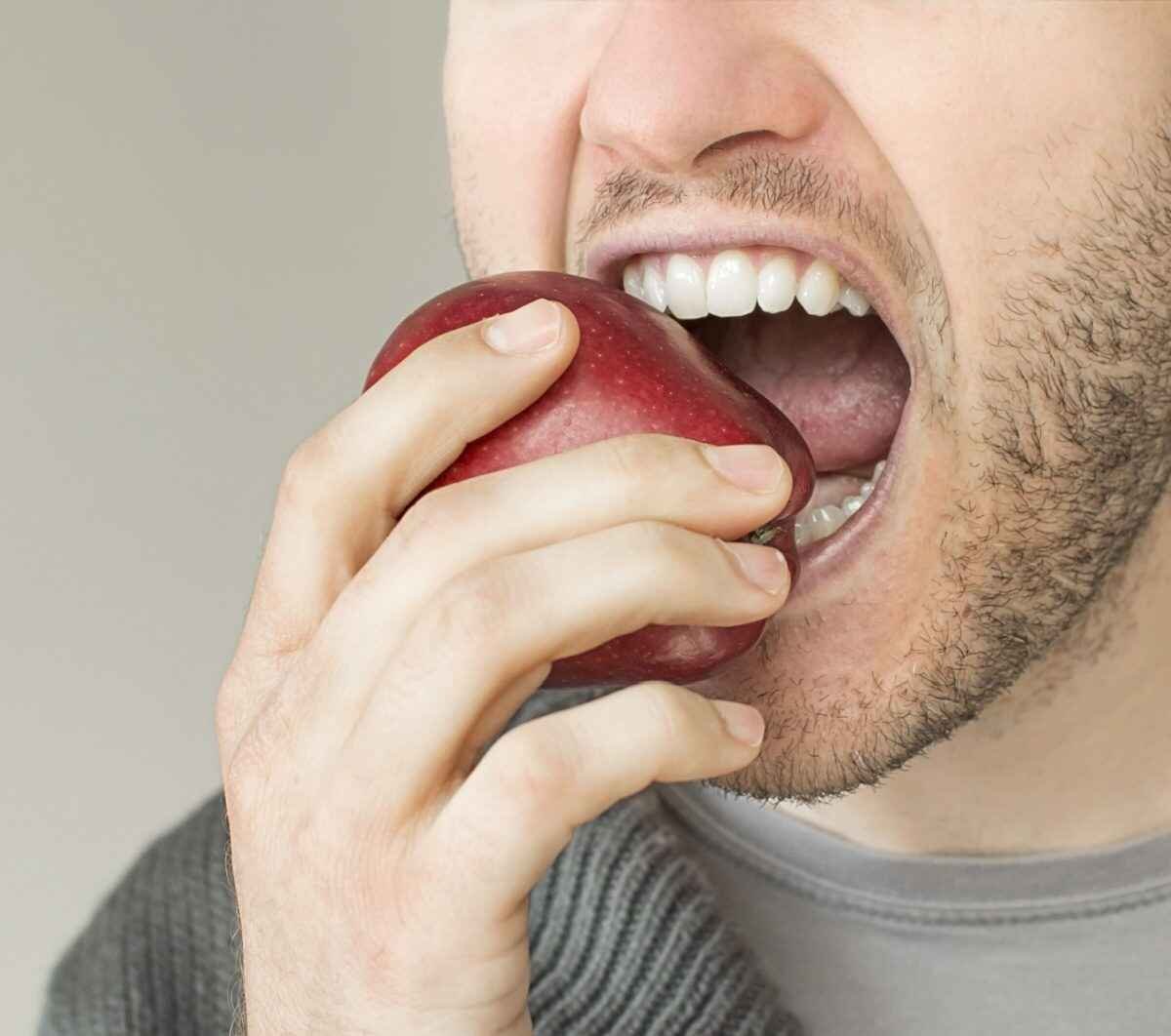
The worst foods are hard and crunchy foods. Raw carrots, apples, hard nuts, and ice all exert force on the denture base in a manner that causes the denture to be under unequal forces. This pressure can lead to acrylic teeth cracking or chipping, or even falling off the gum ridge. Try to stay away from these — particularly during the first month.
Sticky and chewy foods are also a problem. The sticky sweets, toffee, caramel, and chewing gum actually displace the denture further from the gum. They can also break down denture adhesives faster, causing embarrassing slippage during eating. Dried fruit, such as figs and raisins, is also in this group.
Hard foods require more force to chew and require new denture wearers more than they currently possess. Chewy cuts of meat, ribs, pork chop, and steak require a prolonged grinding pressure. This usually results in a loose plate and sore jaw. Slow-cooked or minced foods are much preferable.
Small, sharp particles like seeds, popcorn husks, nut shells, bones, or any other sharp food are hard on the gut. They are placed under the denture base and right on the healing gum tissue. Regardless of the size, it will be an irritant.
Very hot foods and beverages are a hazard. Dentures minimize heat sensitivity in the mouth. A new wearer would be able to burn the palate without being aware of it, as the warning signals are damped out. Wait until the food has cooled to a safe temperature to eat.

Eating With Dentures: Best Foods For Denture Wearers
When you eliminate problem foods, it doesn’t mean that meals are bland and unappealing. There are lots of healthy, fun things to eat during transition.
Each meal should start with a food high in protein and fat. Easily chewed and nutritious scrambled eggs, poached fish, slow-cooked chicken, or cottage cheese. Protein will aid in the healing of gum tissues – there are no frivolous options; they are the correct ones.
Variety and vitamins, without stress on the ridge, are cooked vegetables and soft fruits. Carrots, sweet potatoes, cooked spinach, ripe melon, tinned peaches, and mashed sweet potatoes are great choices. Vegetables will be even easier to deal with if texture is an issue; blending or pureeing them will help.
Dairy and soft grains. Always good options are yoghurt, soft cheese, porridge, well-cooked rice, or soft pasta. Another benefit of dairy is that it provides the denture’s underlying bone with calcium.
Soups and broths are suitable for 1st few days post-fitting. However, if it is cream soup or soft noodle soup, it is not a lot. For week 1, make chunky soups that are easy to make.
Foods that are soft, moist, and small in size (not necessarily plain) are best for denture wearers. With a little planning, meals are still varied and delicious.
Tips for Eating With Dentures More Comfortably
How you eat is as important as what you eat. From the very first meal, these habits help to make a difference.
Divide the food into small pieces to eat. Smaller bites decrease chewing workload and help to maintain plate stability. Try to make them less than 1/2 inch.
Chewing at the same time on both sides of the mouth. This is one of the best habits that can be formed from a young age. The denture will move on one side and drop on the other side when chewing on one side. Bilateral chewing helps keep the plate in a balanced position and sitting properly.
Read the label and savor each bite! Haste will cause the plate to fall in the middle of a chew, which will raise the likelihood of dropping the plate. Slow, controlled movements also assist the brain with adjusting to the new sensory feedback from the denture.
Try not to use your front teeth to bite. The weakest part of a denture is the front teeth. If the front teeth bite into a sandwich or fruit, it disturbs the balance in the plate and makes it easier to break the seal with the gum. Cut all foods and put them towards the back of the mouth.
Apply a small amount of denture adhesive to provide confidence to eat in the first few weeks after denture fitting. This is not a long-term solution for an ill-fitting denture, but rather is a temporary fix until they settle.
How Long Until Eating With Dentures Feels Normal?
Wearers can get a new burn in 4-8 weeks (which varies from person to person).
Week 1 & 2 – Soft foods only. There is some discomfort, and you will be a little unfamiliar. It’s not a sign of a problem, but normal.
After weeks 3-4, add more variation. Confidence increases, and foods become easier to manage, such as semi-soft foods, soft bread without crusts, canned fish, cooked beans, and soft cheese.
Most foods can be consumed from month 2 after 2 years of training. The exception is a few foods that will forever be a bit of a headache, such as whole nuts, sticky caramels, corn on the cob, and hard-crusted bread.
If the sore areas or your dentures slip after 8 weeks, check with your dentist. It doesn’t have to be a technical issue; it’s a problem that’s appropriate — and it needs professional assistance.
Eat Well, Live Well With Dentures
You can learn to wear dentures, and just like everything else, the more you do it, the better you will get at it. During the first month, steer clear of hard, sticky, and chewy foods. Focus your diet on the foods that are ideal for denture wearers, and these are soft, moist, and high in nutrition, which will help keep dentures comfortable and promote healing.
The three words to keep in mind are: Softer, smaller, slower. Follow that rule carefully, and you’ll find that the majority of the meals of the day turn into fun far more rapidly than you would expect.
However, do not force through the pain if there is pain, persistent slipping, or fitting issues that persist for more than 8 weeks. Make your denture check-up appointment today and get a comfortable denture.
FAQs
Will I have to change my diet when I wear dentures? Yes – if you are patient. Most users will find that most foods can be safely consumed after 4-8 weeks of regular use.
What foods can I eat for the first week after getting new dentures? Foods that can be eaten are soft foods such as soup, yoghurt, mashed vegetables, scrambled eggs, soft fish, and smoothies. Avoid hard-to-chew food.
Is it OK to have a steak without dentures? In the long term, refrain from hard cuts of meat such as steak. Slow-cooked, tender cuts of meat or mince in a sauce are best for a denture.
Why do my dentures move when I eat? This is usually the result of chewing with an uneven pattern, lack of adhesion, or an ill-fitting plate when your patient moves during eating. If it continues, make a denture review appointment, as it might be time for it to be relined.
Is chewing gum with dentures okay? No. Chewing gum sticks to the denture base and physically removes the denture plate from the gum ridge. It is also easy to remove the adhesive. Avoid it entirely.