People who sleep with dentures regularly. Some people dislike having them taken out. Others forget. Some do not see them taken out in the common areas. The practice has become common and damaging, either because of habit or due to dentists’ aversion to it.
Your mouth requires recuperation. Your gums will need to heal. You require some respite from all the stress in your jawbone. This article will help you understand what will happen if you miss the dentist’s recommendations, and how you can develop a simple routine that will help you keep your teeth and mouth healthy for a long time.
Is It Safe to Sleep With Dentures In?
The majority of dentists strongly recommend not sleeping with dentures in place. One night will not hurt; it isn’t that. The real danger is the “accumulative effect.” Constant pressure on the gum tissue and underlying bone tissue from the dentures during night use, night after night, may lead to gum tissue recession. Dentures that are worn each night put pressure on the gum tissue and underlying bone, and can lead to receding gums. Over time, this pressure results in damage that is difficult to repair.
Mouths are not meant to have a load on them 24/7. Your dentures are always in use! Your gums and jaw require a rest at night. Even if it’s one day at a time, that recovery time adds up. They not only make you uncomfortable, but they also pose actual dangers.
What Happens to Your Gums While You’re Sleeping With Dentures?
Throughout the day, your gums are compressed. Blood circulates in that tissue when the dentures are out at night. It recovers. It stays healthy.
The overnight wearing of dentures does not allow the recovery to take place at all. Tissue is kept under pressure for a full 24 hours. This causes chronic irritation, which causes ongoing and recurring soreness and ulcers. Over time, gum tissue deteriorates. It is less functional as it gets thinner and inflamed, and is no longer able to hold a denture in place.
The impacts are greater still. When pressure is applied to the teeth, it leads to the loss of bone faster than usual. It takes a lot longer to naturally shed dentures while sleeping. This means quick facial changes, a slightly less comfortable fit of the denture, and more complicated treatment down the road.
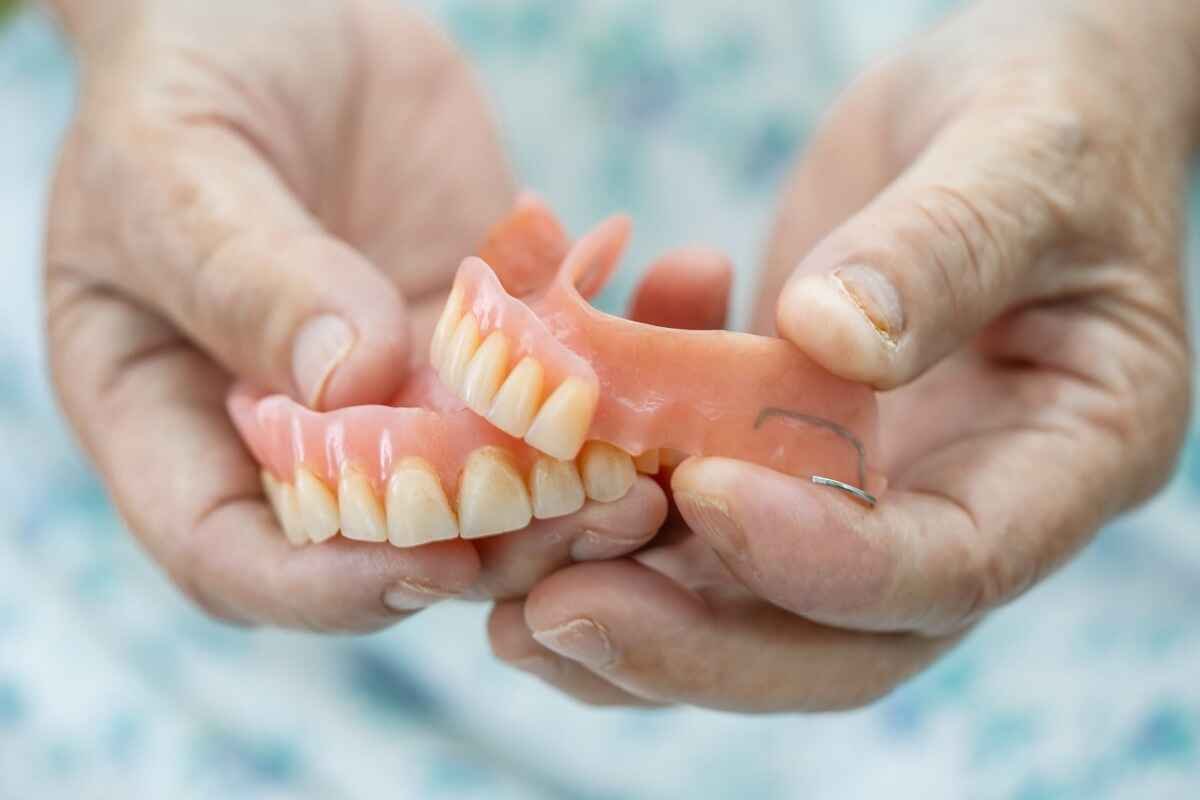
The Infection Risk You Cannot Ignore
Dentures form a warm, moist surface on the surface of the gums. Saliva is helpful in controlling bacteria during the day. At night, there is a significant decrease in saliva flow. It’s an ideal environment for harmful bacteria and fungi to grow.
Oral thrush can occur when you sleep in your dentures, causing a white patch to develop on the palate, redness, and a sore mouth. It also makes one more susceptible to denture stomatitis, chronic inflammation under the denture plate.
Studies have also correlated prolonged nighttime denture wear with an increased risk for bacterial pneumonia. Bacterial contamination of the lungs may occur during sleep through inhaling bacteria from the mouth. This is a significant problem, especially for the elderly.
Should Dentures Be Removed At Night? What Dentists Say
A common question that many new denture wearers ask is, “Should dentures be removed at night?” There is a consensus of opinion among dentists. Dentists suggest that you remove the dentures from your mouth for at least 6-8 hours per day. This is most convenient at night.
Removing the gum tissue allows it to heal while freeing up saliva flow and eliminating the gum tissue pressure and resulting inflammation that can lead to permanent damage. It also increases the life of your dentures tremendously! Soaking and overnight resting dentures will keep them in shape and prolong their use.
This is one exception only — the guidance could differ for implant-retained dentures based on the nature of the denture. Always follow your individual dentist’s advice. But for conventional full or partial dentures, the advice is to take them out at night.
Sleeping With Dentures Might Be Unavoidable
However, there are real scenarios in which removal is not as easily accomplished. There are several reasons why individuals may not want to remove their dentures, such as when they are in a hospital, a new house, or an unknown environment where they will be expected to share a bed with another person.
For some new denture wearers, it is recommended that they sleep in their new dentures the first night. This will help the dentist locate points of pressure at the second visit. The next night, and it’s gone.
Mental health and feelings are also important. Others might be very anxious when required to present their dentures. This is quite normal. But the long-term use of dentures at night, for comfort, is never the answer. Talk with your dentist if you’re concerned about being removed. It’s possible to control it without harming your teeth.
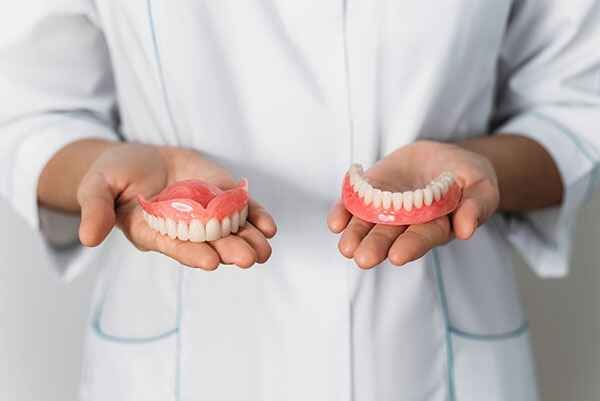
How to Store Your Dentures Properly Overnight?
It’s not enough to remove the dentures. It’s important to store them properly, too. Don’t let dentures dry out. Acrylic dries, causing shrinkage and a change of size or fit. Never leave clean dentures in a cup of dry powder or in any other manner. Avoid hot water – it will permanently deform the material.
Before soaking your dentures in the solution, use a soft-bristle brush and a non-abrasive denture cleaner to brush them. Regular toothpaste is not soft enough. It only scratches and leaves very small grooves where bacteria can settle. Put denture cleaning tablets in overnight to make them super clean. Rinse well in the morning, before replacing them. This simple step will remove the bacterial cycle that is caused by sleeping in dentures.
Building a Nightly Routine That Protects Your Health
The primary thing to do is to have removal become second nature. Keeping a regular bedtime routine (it only takes 5 minutes a day!) can make a huge difference in the long run.
Remove dentures, rinse, and brush under cold water. Place them in a cleaner and let them sit overnight. Now examine your mouth. Use a soft brush to gently brush your gums, tongue, and palate. This will drive blood flow and remove soft tissue bacteria. Rinse with an alcohol-free antibacterial mouthwash to complete.
If you have been using dentures for years without any complications, don’t assume that there are no complications. Bone loss and tissue damage may occur without any symptoms. You will save what you have currently got with the changeover to nightly removal. If you don’t know what to do if you have any concerns about sleeping with dentures, make a visit to the dentist. Your dentist will be able to check for damage and help you develop a healthier habit moving forward.
Conclusion
A very common bad habit among people with dentures is sleeping in their dentures. These risks are quite real: infection, bone loss, gum damage, and shortened dentures. The risks are serious: infections, bone loss, damage to the gums, and shortened dentures are all caused by denture wear during the night.
This 5-minute evening routine can help keep your gums healthy, keep your bones healthy, and keep your denture in place longer. It’s the small details that matter. If someone has been wearing dentures for a number of years, it is advisable to get an appointment for an examination at the dental clinic soon, and if the person has not been removing the dentures at night, it is advisable that the person does so today.
Frequently Asked Questions
Is it bad to keep dentures in while you’re asleep? Even though it does not cause any immediate damage after the first night, chronic denture wear, over time, increases the risk of gum irritation, development of oral thrush, bone loss, and infection of the respiratory tract.
Is it a good idea to take dentures out at night? Yes. The recommended amount of removal time is 6–8 hours a day, as advised by dentists. The best time to allow gum tissue to heal and to allow saliva to flow freely is during the night.
If you continue to wear dentures at night, what will happen? The continuous use of dentures for more than 24 hours will result in chronic gum inflammation, bone loss, fungal infections, and significantly shorten the life of dentures.
How to store dentures at night? Thoroughly clean them, then put them in a denture soaking solution or cold water. Don’t use hot water and never allow them to get dry, as this may cause warping.