It’s a top question asked by new denture wearers. How long do dentures last? When do they need replacing? Is it already too late? The truth is, denture lifespan varies from person to person. But there are clear averages, red flags, and steps you can take to make a difference.
Understanding how long dentures last helps you plan ahead, protect your oral health, and avoid common denture problems. This guide covers all this and more. You’ll learn the average lifespan of full and partial dentures, what causes them to wear, the best denture care habits, and when it’s time for a denture replacement.
What Is the Average Denture Lifespan?
The lifespan for a traditional denture, lasting 5 to 10 years, is typical. When full artificial teeth are made, they will last 5-7 years without a fit problem because the shape of the jaw has changed. The length of time that a person can wear partial artificial teeth is dependent upon the type of framework (metal or acrylic) and the stability of the remaining natural teeth, and is typically 5-8 years. Temporary dentures are meant to be temporary, and usually will be replaced in 6 months to one year.
Factors That Affect How Long Dentures Last
Bone resorption is the greatest of all. If teeth are lost, the jawbone will atrophy. This process takes time and is a gradual one. It affects the shape of your gum ridge and causes even a good-fitting denture to become increasingly loose. After extraction, the jaw will lose approximately 1 millimetre of bone per year, on average.
Aspects of daily life are also important. Night grinding can place a tremendous amount of stress on the acrylic and shorten the life of artificial teeth considerably.
Habit’s cleanliness is also important. The notching effect of the toothpaste allows bacteria and stains to build up in these small grooves, leading to increased tooth sensitivity.
Signs Your Denture Lifespan Is Coming to an End
The best indication of a loose or slipping fit is its appearance. If the artificial teeth move around when you speak, click when eating, or need more adhesive to hold them in place, they are ill-fitting. This is a message from your jaw.
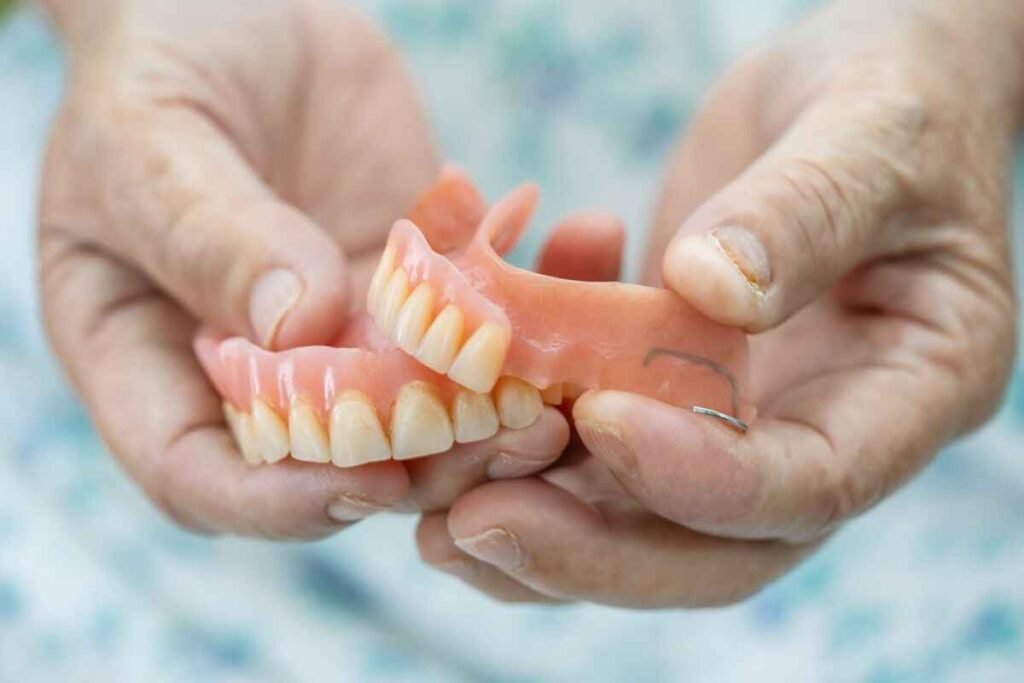
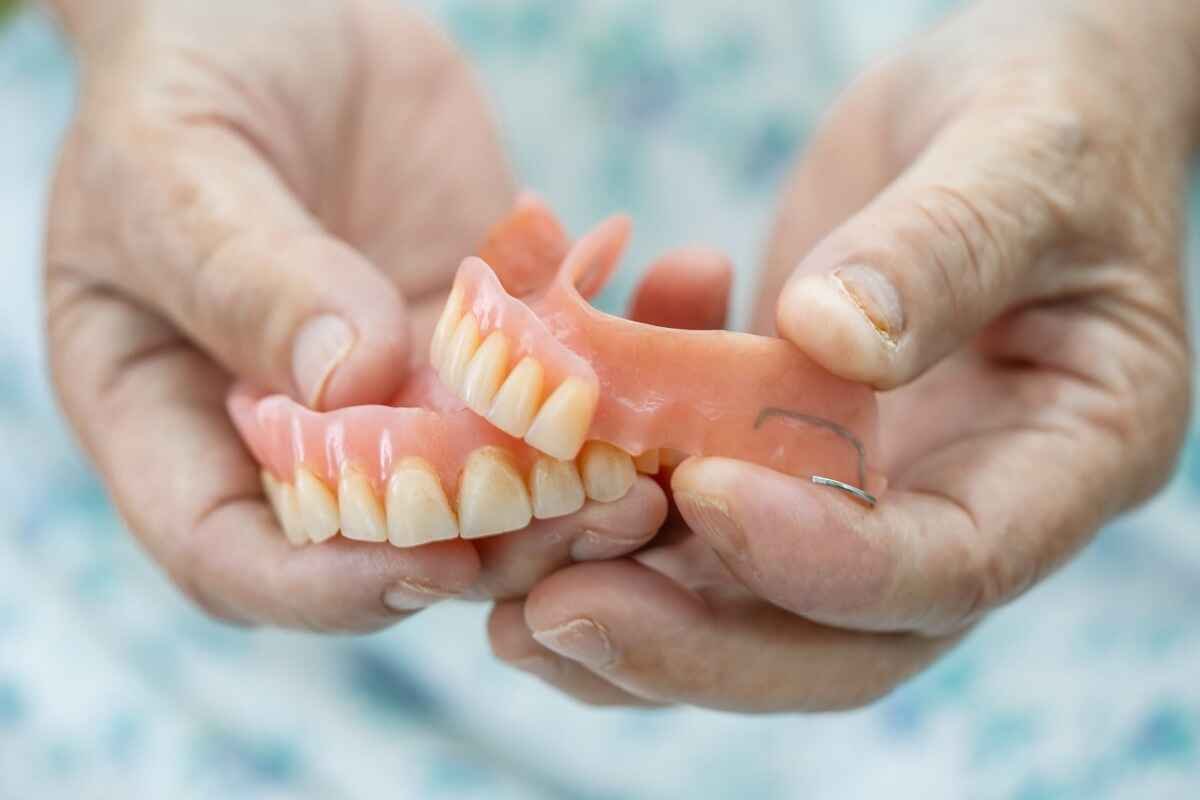
Look at denture teeth. Are they short, smooth, or flat? A recessed bite affects chewing efficiency, and worn-down teeth will affect chewing efficiency as well as bite position. If these cracks, chips, or discolouration can’t be taken away by a cleaning solution, it’s another red flag of a deteriorating material.
Make sure to listen to your body in addition to the denture. If you experience any of the following symptoms, it indicates that the fit is causing damage to the tissue: sore gums, frequent ulcers, and continual mouth irritation. Sunken cheeks, thinning lips, or a chin that seems closer to your nose than before all point to bone loss that your artificial teeth are no longer compensating for.
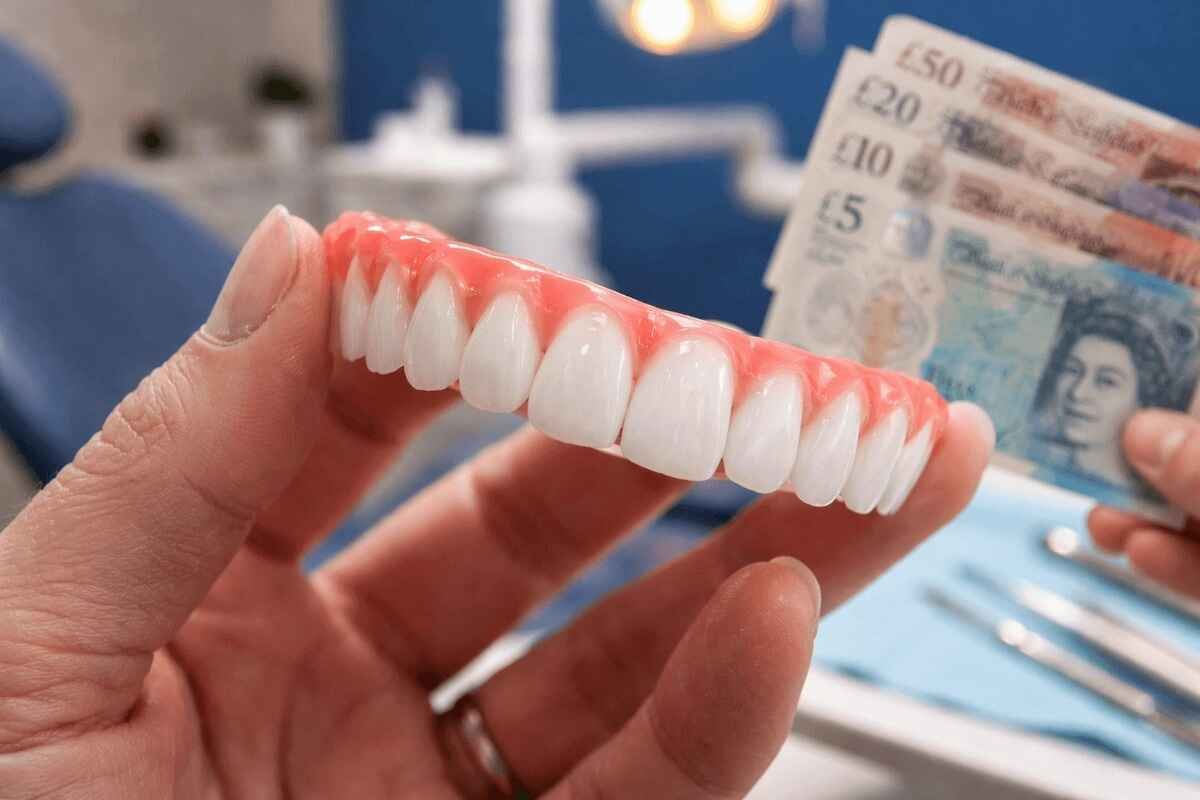
How Long Do Dentures Last With Proper Care?
Proper care does really prolong the life of artificial teeth.
Set up periodic clean-up times. Take out the artificial teeth before going to sleep at night. Clean with a soft-bristled brush and non-abrasive denture cleaner, and brush gently, avoiding toothpaste. Store in a denture solution or cold water for a minimum of 8 hours. Water at all is too hot and will cause the acrylic to take a permanent set.
Keep artificial teeth in a denture cup filled with water or a folded towel. The majority of denture breakage occurs when they are dropped onto a hard surface.
The Role of Relining in Extending Denture Lifespan
Relining is a process of adding more material to the fitting surface of the denture to recreate the fit against a modified gum ridge. A soft reline involves a soft cushion and generally only lasts 6-12 months. A more durable acrylic is used for a hard line and lasts longer, but it’s a process that must be performed in a laboratory.
Relining is indicated when the denture is well constructed but has become loose because of bone resorption. It is not intended for cracked bases, worn teeth, or structurally weak artificial teeth. Two or more relines on the same denture is a good sign it’s time for a replacement. Going beyond that only delays the inevitable and risks ongoing damage to your gum tissue and bone.
When Replacing Dentures Becomes Necessary?
Artificial Teeth that are worn beyond their functional life will cause accelerated bone loss, chronic infections, poor nutrition due to the inability to chew, and TMJ pain due to an incorrect bite. These are not little hassles. These are serious health impacts that are more difficult and costly to treat the longer that they are allowed to persist.
The process of replacement is simple. Your dentist will examine the health of your gums, bone levels, and bite alignment. New impressions are made to reflect the shape of your jaw at present. A try-in appointment lets the dentist make adjustments to the denture in terms of colour, shape, and fit before the final denture is created. For most people, new artificial teeth are a lot better than those they were tolerating, and they are surprised by the improvement.

Getting the Most From Your Denture Lifespan — What To Do Next
The lifespan of artificial teeth is not guaranteed. It is formed by the choices you make daily (how you clean your artificial teeth, whether you remove them at night, how frequently you visit the dentist, and how soon, if something doesn’t feel right, you seek out the dentist’s advice).
The average lifespan of artificial teeth is 5-10 years. Excellent care, regular check-ups, and timely relining take that to the top end. It is drawn to the lower end (or below) by neglect, grinding, and delayed action.
Once you know the life of artificial teeth, you can be better prepared to take care of them. You know the warning signs, and you don’t end up causing any damage by waiting too long. And when artificial teeth replacement is needed, do it promptly! A perfect-fitting denture is essential for your oral health, your self-esteem, and your quality of life.
If your artificial teeth are over 5 years old or you’re experiencing any of the symptoms covered here, schedule a denture review today. It’s never too early to assess, even if it is too late to act.
Conclusion
The life of artificial teeth is not a matter of fate; it is a matter of choice. Knowing how long Artificial Teeth last helps you take proactive steps, care for them properly, and know what to expect.
Don’t wait for pain and failure to take action. If you are familiar with the warning signs, discuss the issue with your dentist today. Moreover, if replacing artificial teeth is your dental health goal, then the better you can get on with it, the better. Make an appointment for a denture consultation today and discover your denture situation.
Frequently Asked Questions
The average life of artificial teeth is how many years?
A typical denture lasts from 5 to 10 years. Artificial Teeth last different lengths of time depending on their type, your care routine, natural bone changes, and how you use them.
With proper care, artificial teeth will last for how many years?
Artificial Teeth can last for 7 to 10 years or longer with proper care and maintenance, including daily cleaning, overnight storage in a clean denture solution in a case, and regular dental check-ups.
When is it time for artificial teeth to be replaced?
It’s time to replace your Artificial Teeth when they no longer fit properly, show cracks or wear, cause discomfort, or make eating or speaking difficult.
Is it possible to repair rather than replace artificial teeth?
Sometimes minor damage can be repaired, and relining can provide, for a short time, a fit that is restored. But False Teeth that are structurally damaged, or that don’t fit well, must be replaced to obtain a good, permanent fit.