Imagine that you are talking to someone and your dentures fall out. Or you bite into something soft, and they move in an unanticipated manner. It is so embarrassing and uncomfortable, and so common. Why Do Dentures Become Loose? One of the most common denture fitting issues that people experience is loose dentures — and they typically worsen with time if they are not addressed. Once you know what is causing it, you can help to resolve the problem. This guide explains the main causes, how to act, and when to act.
What Causes Loose Dentures?
There are a number of things that can cause a poor denture fit. Some are gradual. Others occur much quicker than many people think.
Bone resorption is the largest factor. Tooth extraction will cause the jawbone to lose stimulation and activity. So it shrinks. This is known as bone resorption, and starts almost immediately following extraction. The shape of the jaw changes, and dentures no longer fit flush to the gums. This can cause dentures to slip, rock, or click around in the mouth during normal activities.
Ageing is also a significant factor. As people get older, their gum tissues become less dense and less elastic. This decreases the cushioning between the denture base and the bone. Even if the denture has been comfortable for several years, problems with fitting the denture may be noticed in older wearers.
Another factor that is not considered is weight changes. Any change in weight, even by a few pounds, causes changes to the face and gums. A denture constructed at one point in life may not fit a person’s face a year or two later.
These changes, combined, can guarantee that dentures may be loose without regular (professional) care. For any problem you can contact emergency denture repair that can help you.
Why Are Loose Lower Dentures So Common?
The large surface area on the roof of the mouth provides support for upper dentures. They are securely held in place by suction. That’s not the case with lower dentures. The lower ridge is smaller with a flatter shape. The plate is constantly challenged by tongue movement. Instability is caused by saliva, the floor of the mouth muscles, and natural lip movements. That is why lower dentures are much more difficult to treat clinically than upper dentures.
Patients with fewer denture problems tend to report an aggravating cycle of adhesives that work for a period of time, but then become insufficient. This is generally a warning sign for a more extensive bone modification under the skin.
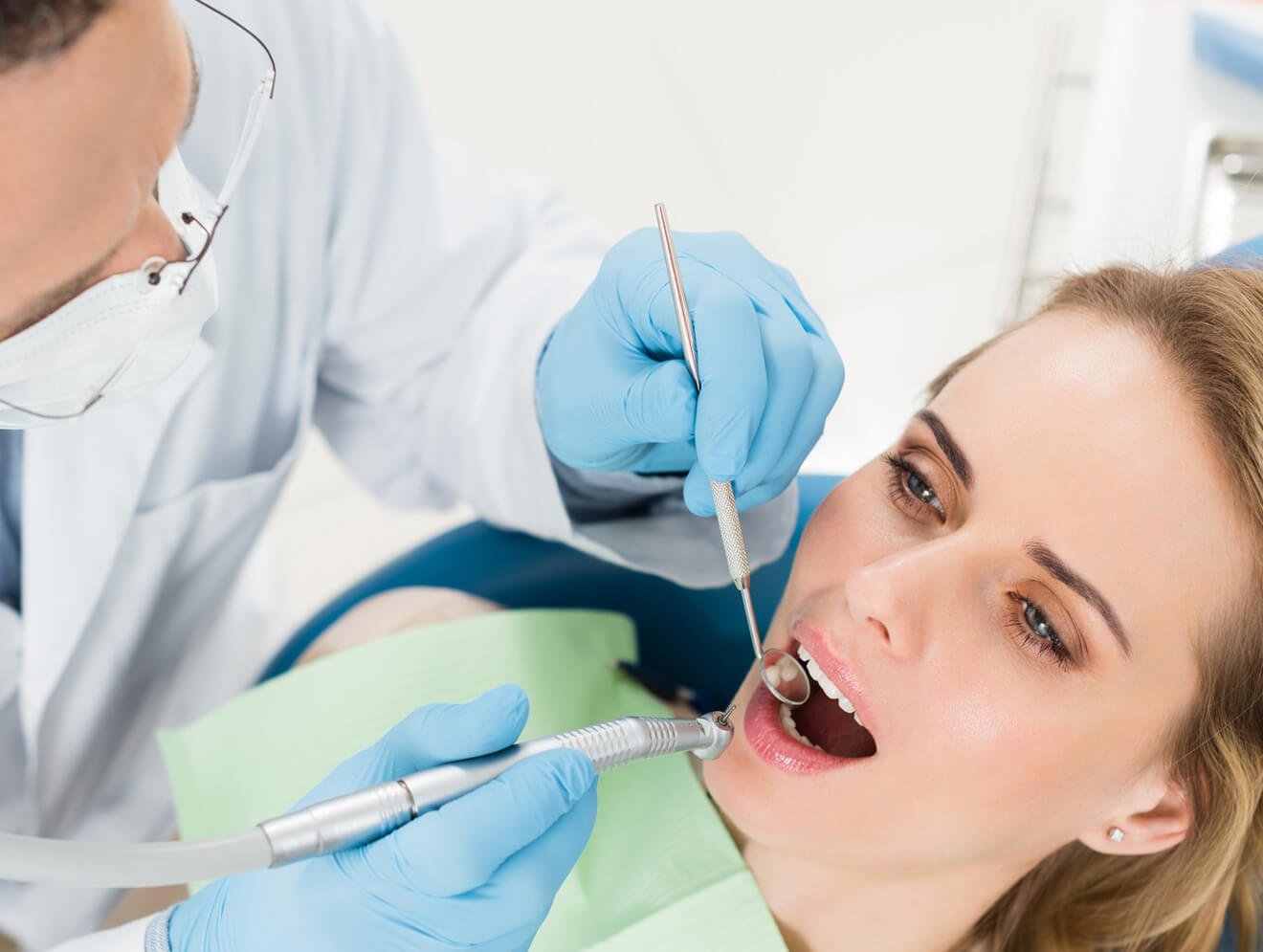
Signs You Have Denture Fitting Problems
Do not always have pain when fitting dentures. In many cases, the initial symptoms are mild. Watch out for:
- Moving dentures or denture clicks during eating or talking
- Dull areas, sores, or chronic gum inflammation.
- Pocketing of food beneath the plate
- Struggle to make some words or sounds.
- Trying larger and larger amounts of adhesive to hold dentures in place.Increasing amounts of denture adhesive to hold dentures in place.
- There is a gap between the denture and the gum line that can be seen.
If you have 2 or more of these, it’s time for a denture review! You shouldn’t wait until you feel the pain before taking action.
How to Fix Damaged Dentures?
The appropriate solution will depend on the amount of change that has taken place in the jaw and gum. The most common procedure will be a denture relining. Reline is fitting the inner surface of the denture to fit the shape of the gums. Soft relines are recommended for people with sensitive gums. Hard relines provide a longer-lasting result. They can be done at the chair or sent to a laboratory for a more precise finish. If the problem is mild to moderate, due to bone changes, then the denture can be successfully relined.
Denture rebasing takes it one step further. Teeth are not extracted; only the base is covered with new acrylic. When the base is cracked and/or warped, but the teeth are still good to use, then this is helpful. If the dentures are no longer able to be repaired, new dentures are needed. Most dentists recommend dentures be replaced every 5 – 7 years, depending on the changes within the mouth.
The best long-term option is implant-retained dentures, especially when dealing with lower dentures that tend to slip. 2-4 small implants are inserted into the jawbone. These anchors fit into the denture to hold it in place. With implants, bone is stimulated further, too, which prevents further bone loss. This is a life-changing option for those who have had long-term lower plate instability.
In the short term, denture adhesives can help diminish the slipping of dentures. They are not permanent, but they will provide stability from day to day until a professional solution is in place.
How to Prevent Loose Dentures?
It’s better to prevent than rectify. Some good habits will make a huge difference. Have a denture exam every 6-12 months. A dentist is able to detect minuscule changes before they become a huge denture fitting issue. Eat regular meals and food in a balanced manner so that there are no sudden changes in facial structure. Put the dentures in water if the aim is to store them overnight so that they don’t warp. Please be careful with them, however – they will affect the fit if dropped on a hard surface.
The most important thing is to work on problems as they arise. If an ill-fitted denture is not fitted, the longer it remains ill-fitted, the more bone loss will take place under the denture. Early intervention will keep bones healthy and comfortable.

FAQs
Why do my dentures slip around in my mouth?
This typically happens when there’s bone loss under the gums. As the jawbone shrinks, the denture base will not fit snugly. If dentures don’t fit properly or are worn, they can lose their fit over time.
Is it possible to correct without a dentist?
Adhesives can only be a temporary solution, and won’t solve the underlying problem. In the long term, the professional reline or rebasing is needed.
When to reline dentures?
All general dentists agree that relining should be performed every 2 to 3 years, depending on the rate of change in the bones.
Is it safe for elderly people to have loose dentures?
Yes, beyond discomfort. Gum damage may be caused by poorly-fitted dentures, bone loss can occur, and in rare cases, it can pose a risk of swallowing. A poor fit over time can also affect nutrition when it becomes difficult to eat.
Do Not Ignore It
It is not only uncomfortable, but they’re a sign that something is amiss in the mouth and should be checked out. Bone recession is a normal process, along with changes in the tissues and aging. With proper maintenance, however, this effect on the fit of the dentures can be completely controlled.
There is no such thing as an improvement when dentures slip or when there are any denture fitting problems. The earlier the problem is corrected, the more options that will be left — and the less bone that will get lost in the process.
Schedule Free Denture Exam Today! This visit today could alleviate pain for years to come.