Dentures do not last forever. Like any hardworking dental appliance, they wear down with daily use. Whether you have full dentures, partial dentures, or chrome dentures, the signs of wear are often the same. Loose dentures, persistent gum soreness, and visible cracks are all common signals that something is wrong. Most people in Slough and across Berkshire do not notice the change at first. The fit loosens gradually. Once you know the warning signs, spotting worn dentures becomes much easier.
If you are unsure whether you need a denture repair, a denture reline, or a completely new set, a consultation with a clinical dental technician is the best place to start.
How Long Do Dentures Last Before You Need New Ones?
The lifespan of dentures is 5 to 7 years. Following this, a process called “bone resorption” alters the shape of the gums and jawbone. This is all denture wearers experience over time. The smaller the bone, the looser the denture. The acrylic also wears down over time as a result of chewing each day. No matter how well the denture is made, it will eventually need to be replaced. The information will assist you in planning, instead of problems showing up.
Signs You Need New Dentures: Poor Fit
An ill-fitting denture does not fit properly and will not remain in place. This is an obvious red flag if yours clicks when you speak or slides when you laugh. Another sign you may notice is that you are putting on denture adhesive more frequently than usual. This generally indicates that the natural suction has been removed.
Loose dentures rub against the gums and can create a sore spot or an ulcer. All the wrong fit is worse. It is always best to get it checked early.
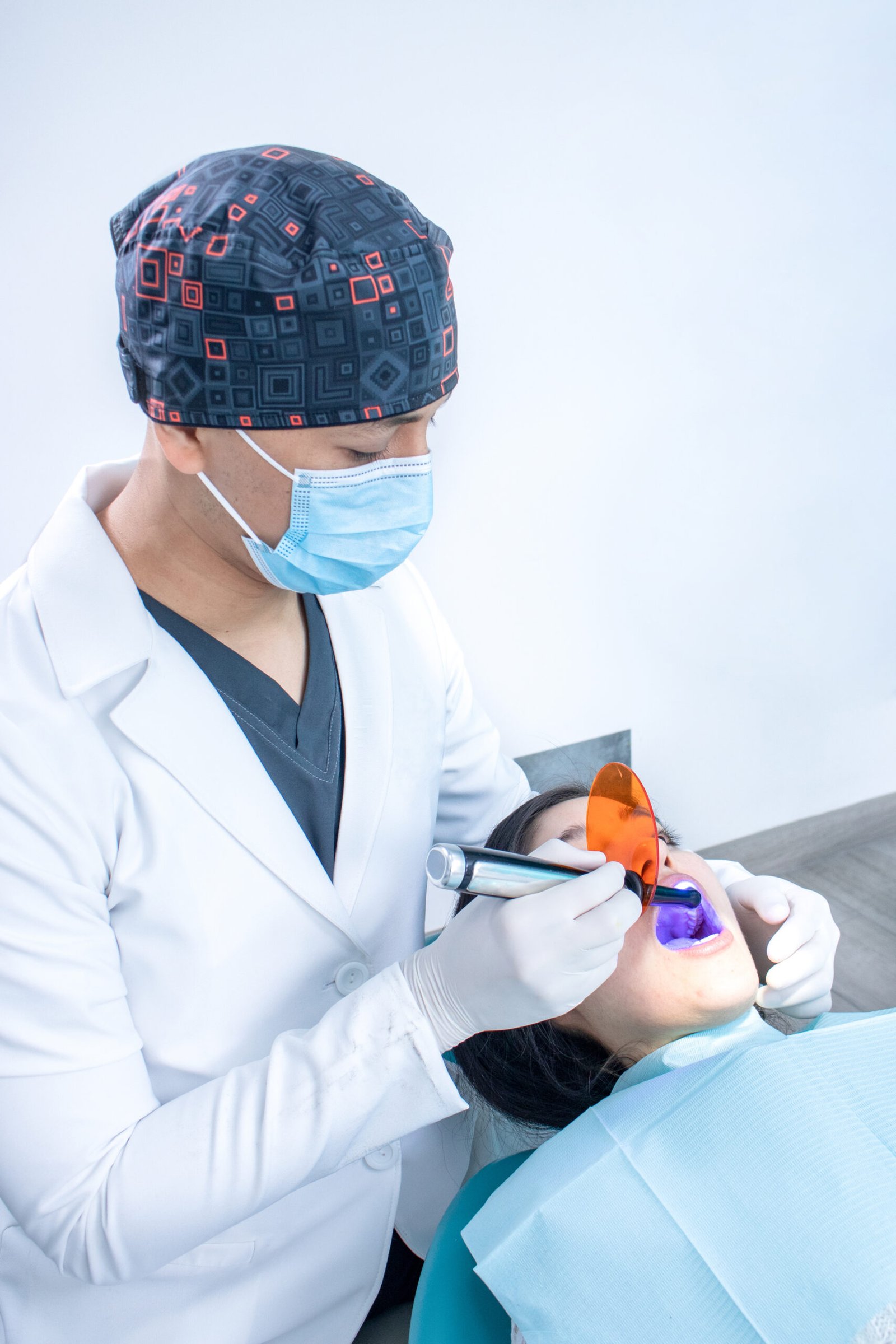
When To Replace Worn Dentures?
No pain can be endured. If your gums are red or swollen, likely that your dentures don’t fit properly. A few also get fungal infections in the mouth (oral thrush) that grows between the teeth and a poorly fitting plate.
If there is a persistent odor of bad breath, it can be another red flag. In many cases, it is an indication of the presence of bacteria in hard-to-detect cracks. A clinical dental technician will be able to determine in a matter of minutes if a reline will correct the problem or if a new set is required.
Difficulty Chewing or Speaking
Uncomfortable dentures have an impact on eating and speech and may occur for no apparent reason. You may begin to steer clear of certain foods, including chewy meats, crusty bread, or apples. Mealtimes take longer. Speech may also be impaired, and you may find that you sound like you are blowing your whistle or that your mouth feels too full.
These changes occur because the biting surface of the teeth levels off with the passage of time, causing a misaligned bite. If it’s difficult to chew food every day, it’s time to see the dentist for a professional evaluation of your dentures.
Worn Dentures: Visible Wear, Cracks, or Staining
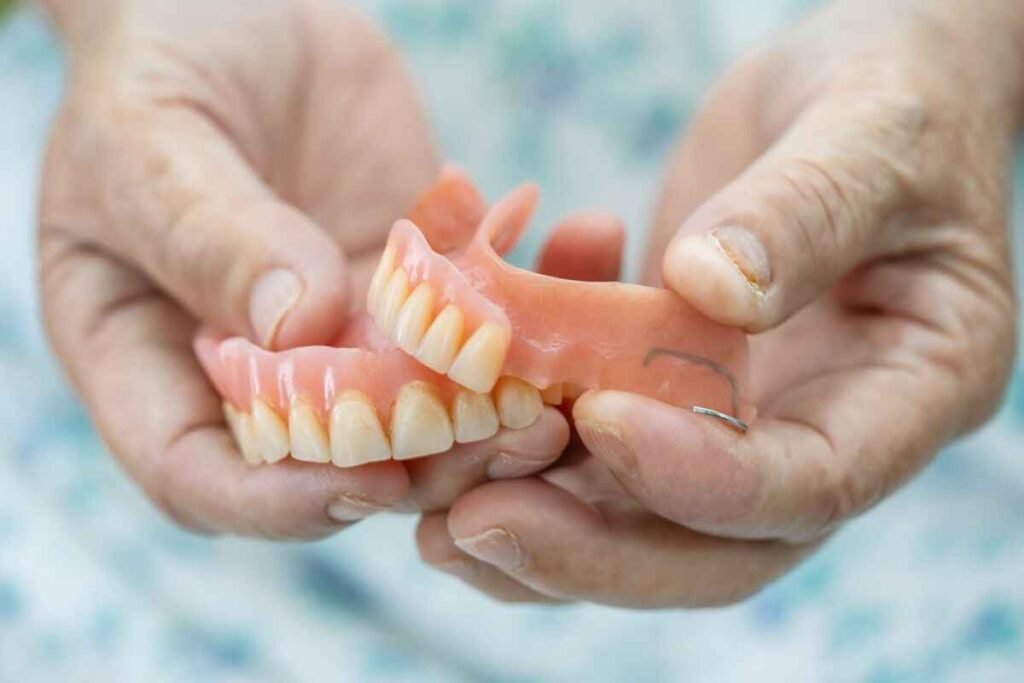
Look at your dentures in a good light. Excessive wear will be shown by a flat or thin appearance of the teeth. Even if the crack doesn’t extend all the way through, it can reduce the strength of the entire structure. If a surface is stained and can’t be lifted after a proper cleaning, it is probably porous, and bacteria will get trapped more easily.
If there is minor damage in one area, it is likely to be possible to repair it with the help of a skilled technician. When visible damage is seen in several areas, however, replacement is usually more cost-effective than further repair.

Changes in Facial Appearance
Old dentures can make your face look a little older. The social support around the mouth diminishes. The social support decreases around your lips. Your cheeks might fall inwards, and your chin might protrude more. This is because the face is pulled in as the facial bones are altered when dentures are worn and have lost height.
Patients are often surprised to discover that a new, properly fitted set can help to make these changes less obvious and give the patient a more natural and confident look.
Conclusion
If you have any of these symptoms, don’t wait for it to get worse! A minor fit problem might require a denture reline or a minor repair. If, however, you are still in pain, if your denture keeps shifting, or if you can see damage all over the denture, it’s time to get a new set.
Asif (Dip CDT RCS Edinburgh) has over 45 years of experience at Raaha Denture Clinic with each case. He has experience in all types of dentures, including full dentures, chrome dentures, flexible dentures, and cosmetic dentures. Asif checks each patient on a case-by-case basis to determine if a quick repair is needed or if a full set is required.
Frequently Asked Questions
When is it time to replace the dentures?
The average denture should be replaced every 5-7 years. A clinical dental technician can examine your gums and bone structure and suggest the best timescale.
Is it bad for your health if you have old dentures?
Yes. As time passes, the teeth on dentures may become so difficult to chew on that they cause problems with eating and nutrition, irritate the gums, and lead to oral thrush.
But should I repair or replace my dentures?
Repairs are typically more affordable for small chips or cracks. If fit, comfort, and appearance are compromised, replacement will usually be more beneficial in the long term.
What will be the consequences if I keep having broken or damaged dentures?
If dentures are damaged, the gums will be irritated, which can result in bone loss and cause difficulties with eating and speaking.
Is it possible that old dentures are going to bring health issues?
Yes. Ill-fitting or worn dentures may result in gum disease, mouth infections, and poor nutrition due to difficulty chewing.